8 Tips to Reduce Your Building Carbon Footprint
Buildings are responsible for a large share of carbon dioxide emissions in the United States. Because of this, many developers and property owners are now using a building carbon analysis form to measure and manage how much carbon a structure produces during construction and daily operation. Carbon dioxide is a greenhouse gas that adds to climate change. If emissions continue to rise, experts warn that global temperatures may increase, leading to rising sea levels, stronger storms, floods, droughts, and health risks. By studying the carbon footprint of buildings early and making smart design choices, it is possible to lower emissions, reduce costs, and create healthier places to live and work.
Green building is not only about protecting the environment. It also helps lower energy bills, improve employee comfort, raise property value, and increase sustainability ratings such as U.S. Green Building Council’s LEED certification. With the right planning and teamwork, reducing a building’s carbon footprint becomes both practical and profitable.
Smart Planning and Design for Lower Emissions
Start Early with Carbon Evaluation
The best time to reduce a building’s carbon footprint is at the very beginning of the design process. Early planning allows architects and engineers to compare layouts, choose better materials, and reduce waste before construction begins. A life cycle assessment helps measure the total environmental impact of materials, energy use, water use, and waste over the building’s lifetime. Today, many manufacturers provide environmental product data, making it easier to calculate carbon impact accurately.
Bringing in energy experts, building scientists, and product suppliers early in the project leads to better decisions. Many sustainable building programs encourage design meetings where all team members share ideas before final plans are made. This teamwork leads to smarter, more efficient buildings.
Improve Insulation and Building Envelope
A well-designed building envelope keeps heat inside during cold months and outside during hot months. Continuous insulation is one effective method. It reduces heat loss by covering structural parts that would otherwise allow heat to escape. In steel-framed buildings, heat can easily move through metal framing, lowering insulation performance. Continuous insulation prevents this problem and improves overall energy savings.
Choosing the right roofing materials also helps. Roof color affects how much sunlight is absorbed or reflected. Lighter colors reflect more sunlight, which helps in warm climates. In cooler areas, selecting materials that balance solar gain can lower heating needs. Small design choices like these can reduce energy use by a few percent, which adds up over time.
Upgrade Lighting and Daylighting
Lighting uses a large portion of energy in commercial buildings. Installing modern LED lighting systems reduces electricity use while providing bright and comfortable light. Daylighting is another powerful strategy. Open office layouts, light-colored walls, and well-designed windows allow natural light to spread deeper into the building.
High-performance windows with proper shading can control heat from the sun. Too much sunlight in summer increases cooling needs, while too little sunlight in winter increases heating demand. Smart window design balances these factors and lowers overall energy use.
Efficient Systems and Sustainable Operations
Optimize HVAC Systems
Heating, ventilation, and air conditioning systems are major energy users. Installing energy-efficient HVAC equipment can greatly reduce carbon emissions. Scheduling systems to operate only during working hours also saves energy. During off-hours, temperatures can be adjusted slightly to reduce unnecessary heating or cooling.
Ventilation systems often run continuously, even when fresh air is not needed. Installing air quality sensors helps control airflow based on actual indoor conditions. This reduces wasted energy. Low-energy humidifiers can also replace traditional electric steam units to save electricity.
Regular maintenance is just as important as installation. Clean filters, properly sealed ducts, and well-calibrated controls keep systems running efficiently.
Use Recycled and Sustainable Materials
Selecting materials with recycled content lowers the environmental impact of construction. Steel is one of the most recycled materials in the world, and using recycled steel reduces mining waste, air pollution, and water pollution. Metal building systems are strong, durable, and often made with high recycled content.
Supporting suppliers who follow sustainable practices also reduces the total carbon footprint of a project. Choosing materials that can be recycled at the end of their life further supports long-term sustainability.
Conserve Water and Harvest Rainwater
Water use also affects a building’s carbon footprint because energy is required to treat and pump water. Installing efficient toilets, faucets, and appliances reduces water demand. Fixing leaks quickly prevents unnecessary waste.
Rainwater harvesting systems collect water from the roof for irrigation, toilet flushing, or washing machines. Since this water does not need to be drinking quality, it reduces the energy required for treatment and transport. Outdoor landscaping that relies mostly on rainfall can cut water use by up to half.
Add Renewable Energy Sources
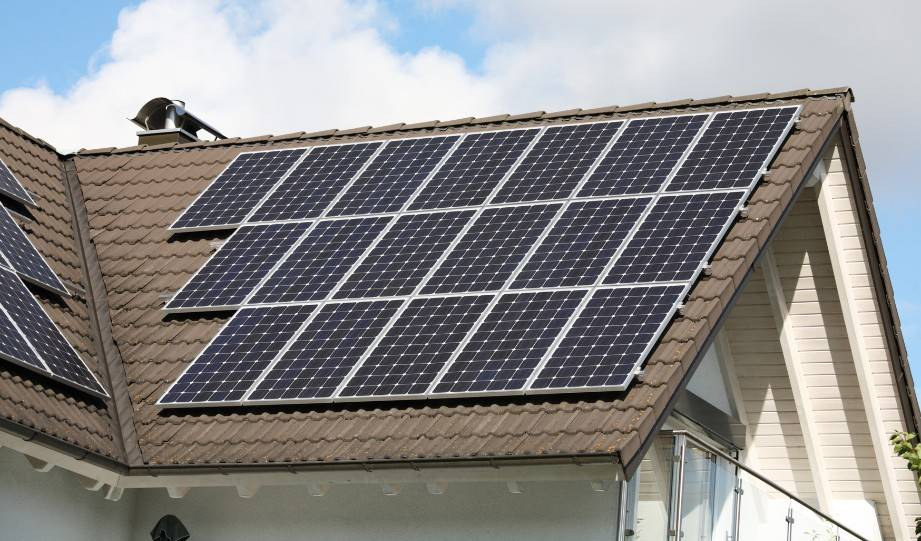
After reducing energy demand as much as possible, the next step is to use renewable energy. Solar panels installed on rooftops can generate electricity and reduce dependence on fossil fuels. Solar water heating systems can lower the energy needed to heat water.
Metal roofs are especially suitable for solar panels because they are durable and long-lasting. Over time, renewable energy systems can offset a significant portion of a building’s energy use.
Choose the Right Location
Location plays a key role in carbon impact. Buildings designed along an east-west axis can better control sunlight exposure. Being close to public transportation reduces emissions from commuting. Developers should also consider how construction affects the surrounding land. Restoring or protecting local ecosystems can improve environmental outcomes.