Austin Harris MD: Shaping a More Informed Approach to Modern Medical Practice
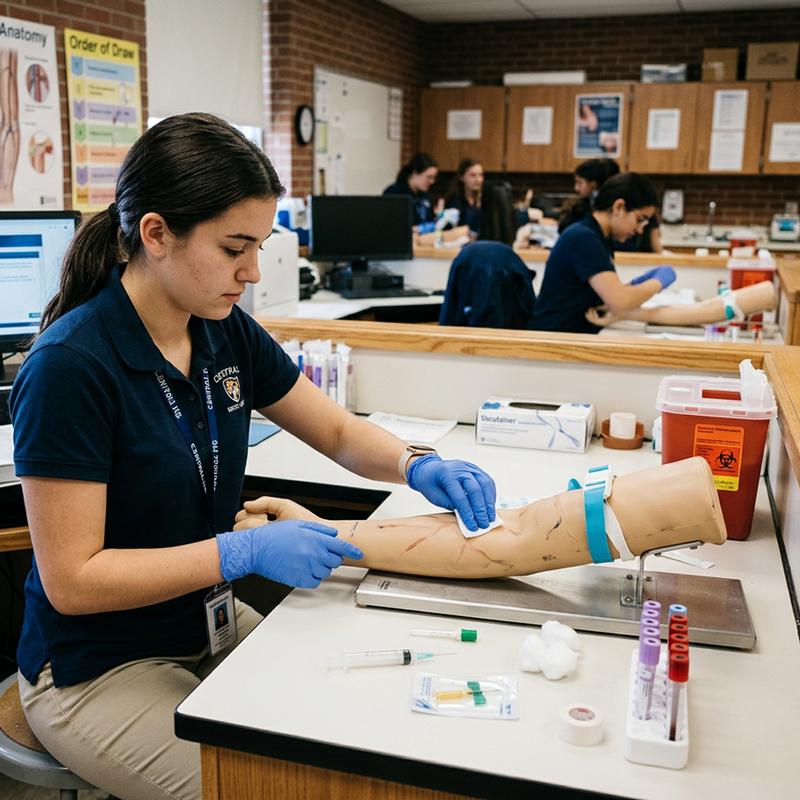
Medical practice continues to benefit from professionals who value knowledge-sharing, thoughtful reflection, and meaningful conversations about changing healthcare needs. Austin Harris MD reflects this direction through a career that combines extensive anesthesiology experience with active engagement in integrative medicine and psychedelic therapy. His professional perspective highlights the importance of helping patients and practitioners better understand developing areas of healthcare through accessible, informed discussion.
Jump To
- Why Does Medical Knowledge Sharing Matter?
- How Can Physicians Contribute Beyond Traditional Clinical Roles?
- What Makes Interdisciplinary Thinking Valuable?
- How Does Professional Experience Strengthen Public Education?
- Why Is Curiosity Important in Healthcare?
- How Can Better Conversations Improve Healthcare Awareness?
- What Does a Forward-Looking Medical Career Represent?
- Conclusion
Why Does Medical Knowledge Sharing Matter?
Healthcare is not limited to the interaction between a physician and patient. The information shared through professional conversations can influence awareness, encourage curiosity, and help communities become more familiar with evolving medical subjects.
Articles, interviews, podcasts, and conference presentations provide opportunities to explain complex ideas in practical language. This type of communication can make specialized subjects easier to understand while encouraging people to approach healthcare with greater knowledge and confidence.
How Can Physicians Contribute Beyond Traditional Clinical Roles?
Physicians possess knowledge that can contribute to broader conversations about health and wellness. Their experiences across different clinical environments allow them to recognize patterns, understand patient concerns, and communicate practical perspectives.
Dr. Austin Harris has extended his professional involvement through educational discussions surrounding psychedelic therapy and integration. This activity demonstrates how medical professionals can contribute to public understanding while continuing to develop their own knowledge of emerging areas.
What Makes Interdisciplinary Thinking Valuable?
Contemporary healthcare often brings together ideas from multiple fields. Medical treatment, psychology, wellness, patient education, and professional research can each contribute different perspectives to a broader understanding of health.
An interdisciplinary outlook encourages professionals to remain receptive to useful knowledge outside a single specialty. Dr. Austin Harris demonstrates this broader mindset through his involvement in anesthesiology as well as integrative therapeutic discussions.
How Does Professional Experience Strengthen Public Education?
Practical experience can give educational discussions greater context. Years spent working with different patient populations can help physicians explain why individualized assessment and careful clinical thinking are important.
Dr. Harris’s experience across cardiac, thoracic, general, pediatric, and OBGYN anesthesiology provides a diverse professional foundation. This variety can contribute to a nuanced understanding of medical decision-making and the different circumstances that shape patient care.
Why Is Curiosity Important in Healthcare?
Curiosity encourages professionals to keep learning. Medicine develops continuously, and staying interested in new research and therapeutic concepts can help physicians maintain an informed outlook.
A curious approach does not mean accepting every new idea without consideration. Instead, it encourages questions, learning, professional dialogue, and thoughtful evaluation. This balance can support constructive progress throughout a medical career.
How Can Better Conversations Improve Healthcare Awareness?
Clear conversations can bridge the gap between specialized medical knowledge and everyday understanding. When healthcare subjects are explained in an approachable manner, people have greater opportunities to learn about concepts that may otherwise seem difficult or unfamiliar.
Public education can also encourage patients to have more productive conversations with qualified healthcare professionals. In this way, communication becomes an important part of building broader healthcare awareness.
What Does a Forward-Looking Medical Career Represent?
A forward-looking medical career can involve more than adapting to change. It can also involve contributing to discussions that help others understand where medicine may be heading.
Professional development, educational engagement, clinical experience, and interest in emerging therapeutic areas can work together to create a well-rounded perspective. These qualities encourage continuous growth while keeping medical knowledge at the center of professional practice.
Conclusion
The professional outlook associated with Austin Harris MD illustrates the value of education, knowledge-sharing, interdisciplinary thinking, and lifelong curiosity in contemporary medicine. By connecting clinical experience with broader conversations about integrative care and psychedelic therapy, Dr. Austin Harris contributes to a more informed understanding of evolving healthcare perspectives. This emphasis on learning and communication represents a constructive path toward greater awareness and continued progress in modern medical practice.
Key Points
- Austin Harris MD combines extensive anesthesiology experience with active engagement in integrative medicine and psychedelic therapy to promote knowledge-sharing in healthcare.
- Healthcare information shared through professional conversations can influence awareness and encourage curiosity among communities about evolving medical subjects.
- Dr. Harris extends his professional involvement through educational discussions surrounding psychedelic therapy, demonstrating how physicians can contribute to public understanding.
- His diverse clinical experience in various anesthesiology fields allows Dr. Harris to provide a nuanced understanding of medical decision-making and patient care.
- Curiosity in healthcare encourages continuous learning and critical evaluation of new research and therapeutic concepts among medical professionals.
- Clear communication can improve healthcare awareness by making specialized medical knowledge more approachable to the general public.