Understanding the Impact of Wearable Technology on Patient Outcomes
How Are Wearable Devices Changing Patient Monitoring?
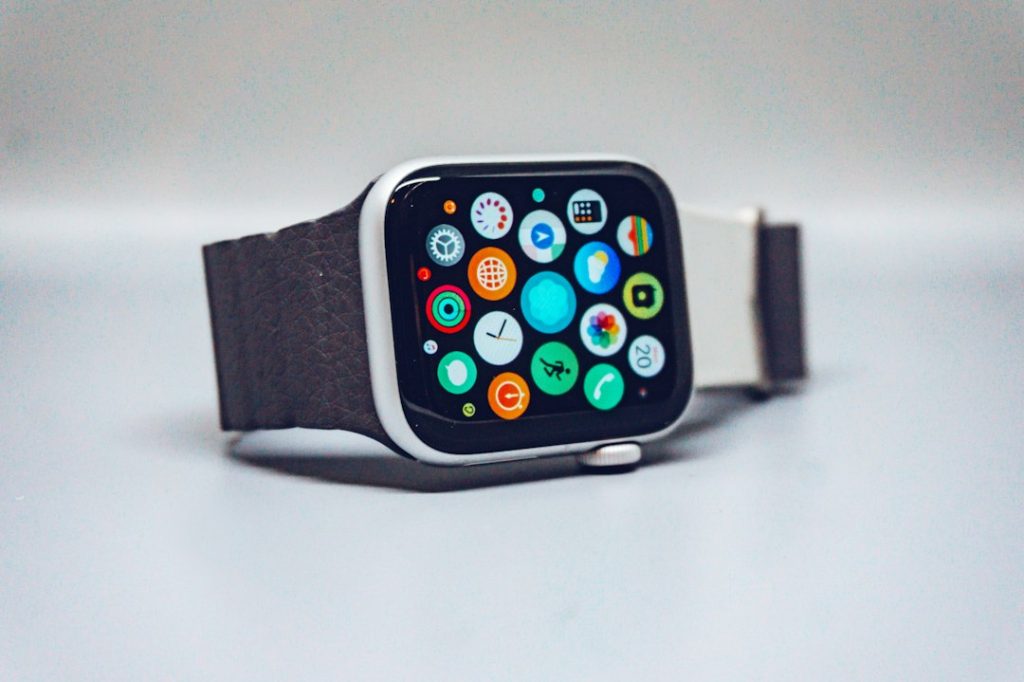
Digital healthcare has expanded the ways people can observe and understand their well-being outside traditional clinical environments. Wearable devices provide a convenient way to collect selected health and activity information during everyday routines. The work and technology-focused perspective connected with Dr Lauren Papa fits into a broader healthcare conversation about improving patient awareness through accessible digital tools. By bringing regular observations into the picture, wearable technology can support a more connected approach to health management.
Jump To
- How Are Wearable Devices Changing Patient Monitoring?
- What Are the Main Benefits of Wearable Monitoring?
- How Can Wearables Support Informed Healthcare Discussions?
- Do Wearables Encourage Patients to Take Greater Responsibility?
- What Are the Limitations of Wearable Devices?
- What Does the Future Hold for Wearable Patient Care?
What Are the Main Benefits of Wearable Monitoring?
One major benefit is continuity. Healthcare appointments provide important opportunities for assessment, but patients spend most of their time outside clinical environments. Wearable devices can record selected information during ordinary activities, creating a broader picture of daily patterns.
This continuity may also encourage people to pay closer attention to their routines. Activity, sleep, exercise, and recovery can become easier to observe when information is organized through a digital interface. The resulting awareness can encourage patients to discuss relevant changes with healthcare professionals.
How Can Wearables Support Informed Healthcare Discussions?
Communication between patients and healthcare professionals can become more productive when conversations include useful observations from everyday life. Wearable data may provide additional context regarding routines and changes that patients might otherwise find difficult to remember.
This does not mean every device reading should be interpreted as a medical finding. Instead, wearable information can serve as one additional source of context. The perspective associated with Dr Lauren Papa underscores the importance of considering technology as a complement to professional healthcare rather than an independent replacement for clinical expertise.
Do Wearables Encourage Patients to Take Greater Responsibility?
Digital monitoring can promote active participation. When users can see information related to their daily behavior, they may become more conscious of habits and routines. This visibility can support personal goal-setting and encourage more consistent attention to wellness.
The usefulness of these features depends on how easily patients understand the information. Complicated dashboards or unclear measurements may create confusion. Effective health technology should therefore emphasize clarity, accessibility, and responsible interpretation.
What Are the Limitations of Wearable Devices?
Wearables are not perfect measurement systems. Different devices use different sensors and methods, and readings can be affected by movement, positioning, battery conditions, or other technical factors. Users should therefore avoid making major health conclusions based solely on a wearable notification or reading.
Privacy is another important consideration. Health-related information can be sensitive, making secure data practices and informed user choices essential components of responsible technology adoption.
What Does the Future Hold for Wearable Patient Care?
As healthcare technology continues to develop, wearable devices may become increasingly integrated with broader systems of patient monitoring and communication. Improvements in sensors and data interpretation could make everyday health information more useful and easier to understand.
The broader healthcare philosophy reflected by Dr Lauren Papa highlights the potential of technology to strengthen patient involvement while preserving the importance of professional care. Ultimately, wearable devices can contribute most effectively when they promote awareness, support meaningful conversations, and help individuals remain engaged with their health journey.
Key Points
- Wearable devices allow for the continuous collection of health and activity data during everyday routines, enhancing patient awareness outside clinical environments.
- These devices create a broader picture of daily patterns, which can encourage patients to pay closer attention to their routines and discuss relevant changes with healthcare professionals.
- Wearable data provides context for healthcare discussions, although it should not replace professional medical expertise or be interpreted as definitive medical findings.
- Digital monitoring through wearables promotes active participation in personal wellness by making users more conscious of their habits and facilitating goal-setting.
- Limitations of wearable devices include varying accuracy based on sensor methods and potential privacy concerns related to sensitive health information.
- Future advancements in wearables promise better integration with patient monitoring systems, improving the usefulness and understanding of daily health information.